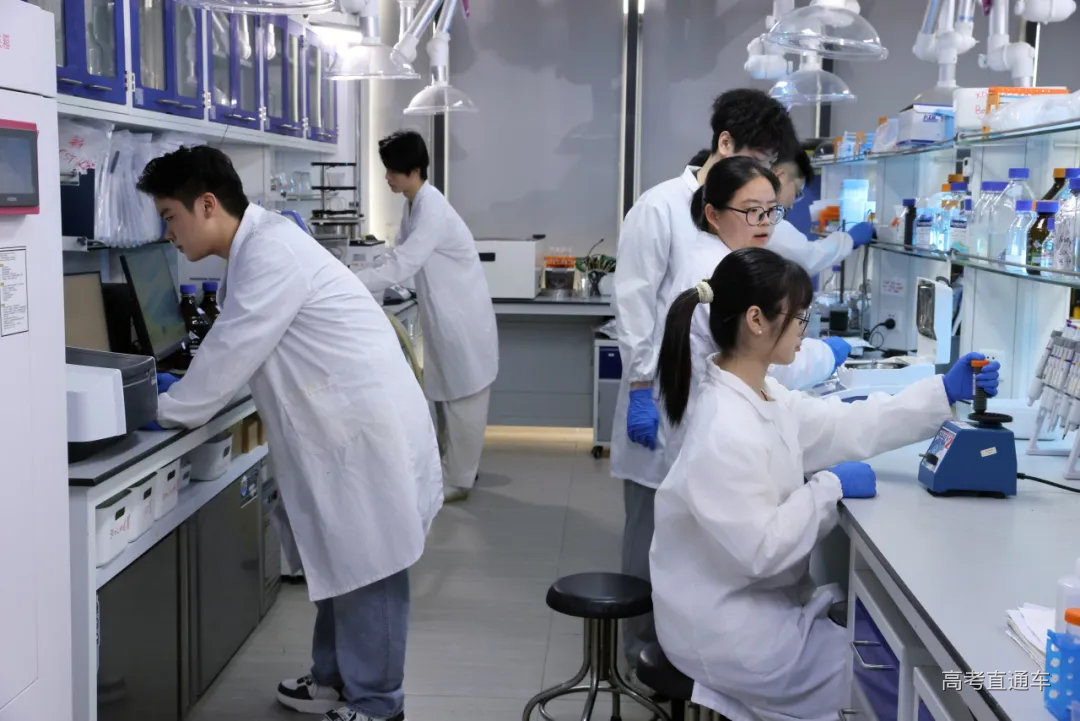
一 专业初探 以色列理工学院的环境工程专业是以色列工业和研究机构环境工程师的重要培养源头,与以色列举世闻名的农业滴灌、水处理等技术密切相关。2018年,环境科学与工程学科作为学校设立最早的优势学科之一,入选“广东省‘冲一流’高水平大学建设计划重点建设学科”。在此基础上,广东以色列理工学院于2025年10月获教育部批准设立环境工程本科专业。 环境工程专业吸收借鉴以色列理工学院土木工程学院的先进培养理念,人才培养计划具有科学基础扎实、实际应用广泛的特点。专业注重科技成果转化,突出产学研协同与工程应用,推动技术走向工业化应用。自2018年以来,学科建设成果丰硕:累计发表研究论文350余篇,获批国家级、省级项目12项,落地产业项目10项,获授权专利3项,荣获省级奖项2项。扎实的学科建设与日益成熟的办学成果,为环境工程专业的发展奠定了坚实的基础。 二 培养目标 本专业培养具有扎实的数理生化知识基础,熟练掌握环境工程各相关学科的基础理论和实操技能,具备敏锐的工程技术问题洞察力,能够精准把握环境工程科学问题,并对具体工程问题提出解决方案的高水平专业技术人才。毕业生将同时具备良好的英语表达与沟通能力。 在此培养模式下,毕业生在环境工程、化学工程和生物技术领域拥有扎实的跨学科知识储备,在相关就业领域具有竞争优势。通过本专业严格的科学训练,有志于深造的毕业生具备在世界一流大学攻读环境工程、化学工程等相关学科的研究生学位的能力。 三 培养方案 1. 专业遵循以色列理工学院开设的专业课程开展教学,实行学分制。学生需要在本科期间完成156.5个学分的课程。同时,学生必须修读中国教育部要求的思想政治理论课与其他相关课程。满足专业学分要求的学生将分别获颁由以色列理工学院和广东以色列理工学院授予的环境工程学士学位。专业培养计划会根据以色列理工学院的教学安排适当调整,以当年的教学安排为准。 2. 本专业教学内容包括数学、物理、化学和生物学等基础课程,环境工程专业基础和核心课程,以及广泛的专业重点方向选修课程如污水处理、膜分离技木、水处理工艺设计、生物工艺数值模拟、土壤物理与化学、固体废物、环境修复、空气污染以及项目研究等课程。学生在掌握基础理论和技术原理的同时,通过科研项目的训练,学习分析问题、提炼科学问题、解决工程技术问题的能力。 3. 本专业注重国际化培养,专业课采用全英文教学,使用英文原版教材和讲义,提供各种形式的国际交流活动,以提高学生的国际视野和跨文化交流能力。 4. 注重学生的素质教育与职业精神培养,通过通识课、专业课及各类讲座,培养学生职业道德和伦理,了解科技对于自然和社会的影响。 四 师资力量 本专业面向全球引进高层次人才与年轻科学家,打造具有国际竞争力的师资团队。教师及科研人员均曾在国际一流的研究机构或高校学习或从事教学、科研工作,例如加州理工学院、南洋理工大学、卡耐基梅隆大学、香港大学、香港理工大学、希伯来大学、以色列农业研究组织、大型水资源研究所、哈佛大学微生物生态实验室、瑞士联邦水科学技术研究所等。 五 教学条件 环境工程专业配备教学与科研实验室,其中包括水化学实验室、环境工程实验室、微生物工程实验室等大型教学实验室;以及环境可持续性实验室、微生物生态实验室、污水处理与资源回收实验室等科研实验室。 本专业教学实验室均配备了先进的仪器设备,包括气相色谱质谱(GC-MS)联用仪、电感等离子体光谱(ICP-MS)仪、全自动核酸提取仪、总有机碳分析仪等对标国际一流水平的实验设备,并持续引进高水平的教学科研设备,培养学生科研能力,积累科研经验,以对接今后的研究生教育。 六 发展前景 本专业凭借扎实的数理生化基础、系统的工程技术训练和丰富的科研实践经历,为毕业生深造提供广阔空间,毕业生可以进一步专攻环境工程领域的重点方向,包括水和废水处理、海水淡化、水文学、土壤和地下水修复、大气污染防治等领域。同时,依托本专业跨学科的课程设置与科研训练,毕业生可拓展至多个关联学科领域深造,如能源环境工程、环境化学与生态毒理、流体力学与环境模拟、生物环境工程、环境政策与管理等相关领域。 未来,毕业生可胜任岗位包括但不限于:相关行业工艺设计师、技术工程师、技术顾问、项目经理,以及环保企业的各类技术岗位。此外,毕业生亦可报考环境工程相关领域的公务员或事业单位职位。





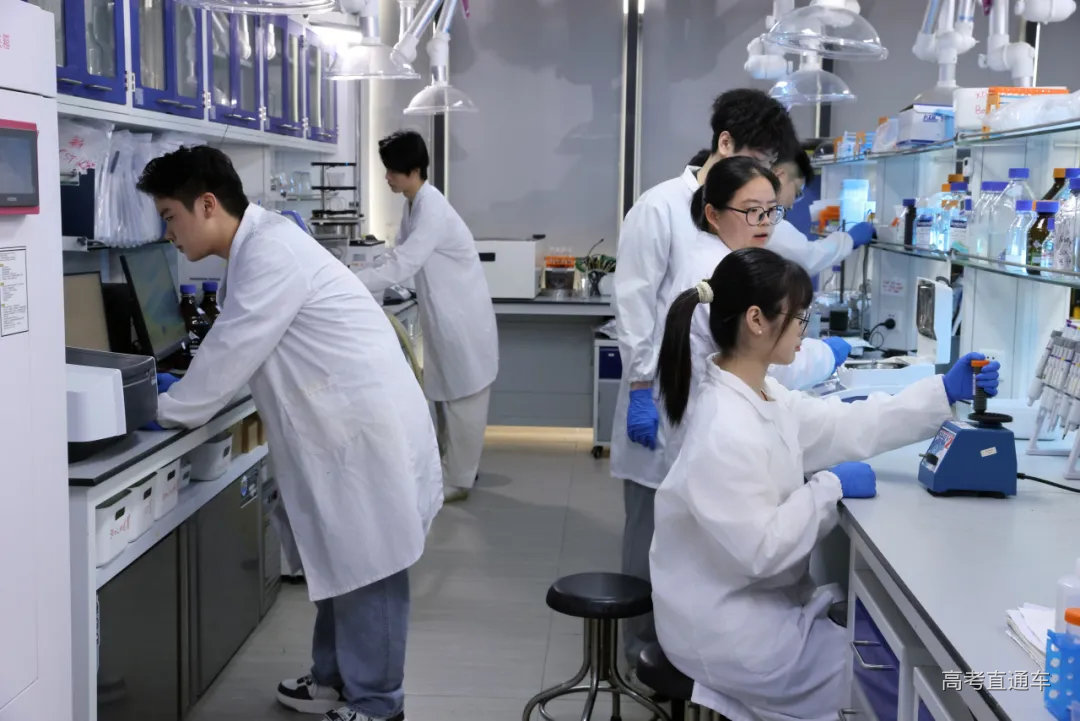


● GTIIT I Program Overview The Environmental Engineering Program at the Technion is a key talent incubator of environmental engineers for Israel’s industrial and research institutions, and is closely associated with Israel’s world-renowned technologies such as agricultural drip irrigation and water treatment. In 2018, as one of the earliest established superior disciplines at the university, Environmental Science and Engineering was selected into the Key Discipline of the Guangdong Provincial High-level University Development Plan (“Striving for First-Class”). On this basis, Guangdong Technion-Israel Institute of Technology (GTIIT) received approval from the Ministry of Education of China to launch the undergraduate Environmental Engineering program in October 2025. Drawing on the advanced education philosophy of the Faculty of Civil Engineering at the Technion, the Environmental Engineering program at GTIIT features a solid scientific foundation and wide practical application in its talent training curriculum. The program attaches great importance to the transformation of scientific and technological achievements, highlights industry-university-research collaboration and engineering application, and promotes the industrialization of technologies. Since 2018, the discipline has achieved fruitful outcomes: more than 350 research papers published; 12 national and provincial-level projects approved; 10 industrial projects implemented; 3 patents authorized; and 2 provincial-level awards conferred. Solid disciplinary development and increasingly mature educational achievements have laid a firm foundation for the growth of the Environmental Engineering program. II Cultivation Goals This program aims to cultivate highly qualified professional and technical talents with a solid foundation in mathematics, physics, chemistry, and biology, proficient mastery of the basic theories and practical skills of various disciplines related to environmental engineering, keen insight into engineering and technical issues, the ability to accurately grasp scientific issues in environmental engineering, and the capacity to propose solutions for specific engineering problems. Graduates will also possess good English expression and communication skills. Under this training model, graduates will possess a solid interdisciplinary knowledge base in environmental engineering, chemical engineering, and biotechnology, giving them a competitive advantage in related fields. Through this program's rigorous scientific training, graduates aspiring to further study can pursue graduate degrees in environmental engineering, chemical engineering, and related disciplines at world-class universities. III Cultivation Scheme The program conducts teaching in accordance with the professional courses offered by the Technion and adopts a credit system. Students are required to complete 156.5 credits during their undergraduate studies. Meanwhile, students must complete ideological and political theory courses and other related courses required by the Ministry of Education of China. Students who meet the program's credit requirements will be awarded the bachelor's degree in Environmental Engineering by both the Technion and GTIIT. The program's training plan may be appropriately adjusted in accordance with the Technion's academic arrangements, subject to the current year's teaching schedule. The teaching content of this program includes basic courses in mathematics, physics, chemistry, and biology, professional basic and core courses in environmental engineering, as well as a wide range of professional elective courses focusing on key directions such as sewage treatment, membrane separation technology, water treatment process design, numerical simulation of bioprocesses, soil physics and chemistry, solid waste, environmental remediation, air pollution, and project research. While mastering basic theories and technical principles, students will develop the ability to analyze problems, refine scientific issues, and solve engineering and technical problems through training in scientific research projects. The program emphasizes international training. Professional courses are taught in fully English-medium instruction using original English textbooks and teaching materials. Various international exchange activities are offered to enhance students' global perspective and cross-cultural communication skills. The program attaches importance to students' quality education and professional ethics training. Through general courses, professional courses, and various lectures, students' professional ethics and morality are cultivated, and their understanding of the impact of science and technology on nature and society is enhanced. IV Faculty This program recruits high-level talent and young scientists globally to build a faculty team that is internationally competitive. All faculty members and researchers have studied, taught, or conducted research at world-class universities and research institutions, including the California Institute of Technology, Nanyang Technological University, Carnegie Mellon University, The University of Hong Kong, The Hong Kong Polytechnic University, The Hebrew University of Jerusalem, Agricultural Research Organization of Israel, major water resources research institutes, Microbial Ecology Laboratory of Harvard University, and Swiss Federal Institute of Aquatic Science and Technology. V Teaching Conditions The Environmental Engineering program is equipped with teaching and research laboratories. These include teaching laboratories such as the Water Chemistry Laboratory, Environmental Engineering Laboratory, and Microbial Engineering Laboratory. It also has scientific research laboratories, including the Environmental Sustainability Laboratory, the Microbial Ecology Laboratory, and the Sewage Treatment and Resource Recovery Laboratory. All teaching laboratories of the program are equipped with advanced instruments and equipment, including Gas Chromatography-Mass Spectrometry (GC-MS) Instruments, Inductively Coupled Plasma-Mass Spectrometry (ICP-MS) Instruments, Automatic Nucleic Acid Extraction Instruments, and Total Organic Carbon (TOC) Analyzers, which meet international top-tier standards. High-level teaching and research equipment is continuously introduced to cultivate students' scientific research capabilities and build scientific research experience, thereby preparing them for future graduate education. VI Career Prospects With a solid foundation in mathematics, physics, chemistry and biology, systematic engineering technology training and rich scientific research practical experience, the program provides broad space for graduates to further their studies. Graduates can further specialize in key areas of environmental engineering, including water and wastewater treatment, seawater desalination, hydrology, soil and groundwater remediation, and air pollution control. With its interdisciplinary curriculum and research training, the program opens doors for graduates to advance in fields such as energy and environmental engineering, environmental chemistry and ecotoxicology, fluid mechanics and environmental simulation, bio-environmental engineering, and environmental policy and management. Graduates will be qualified for positions including but not limited to: process designers, technical engineers, technical consultants, project managers in relevant industries, and various technical roles in environmental protection enterprises. In addition, graduates may also apply for civil service or public institution positions related to Environmental Engineering.